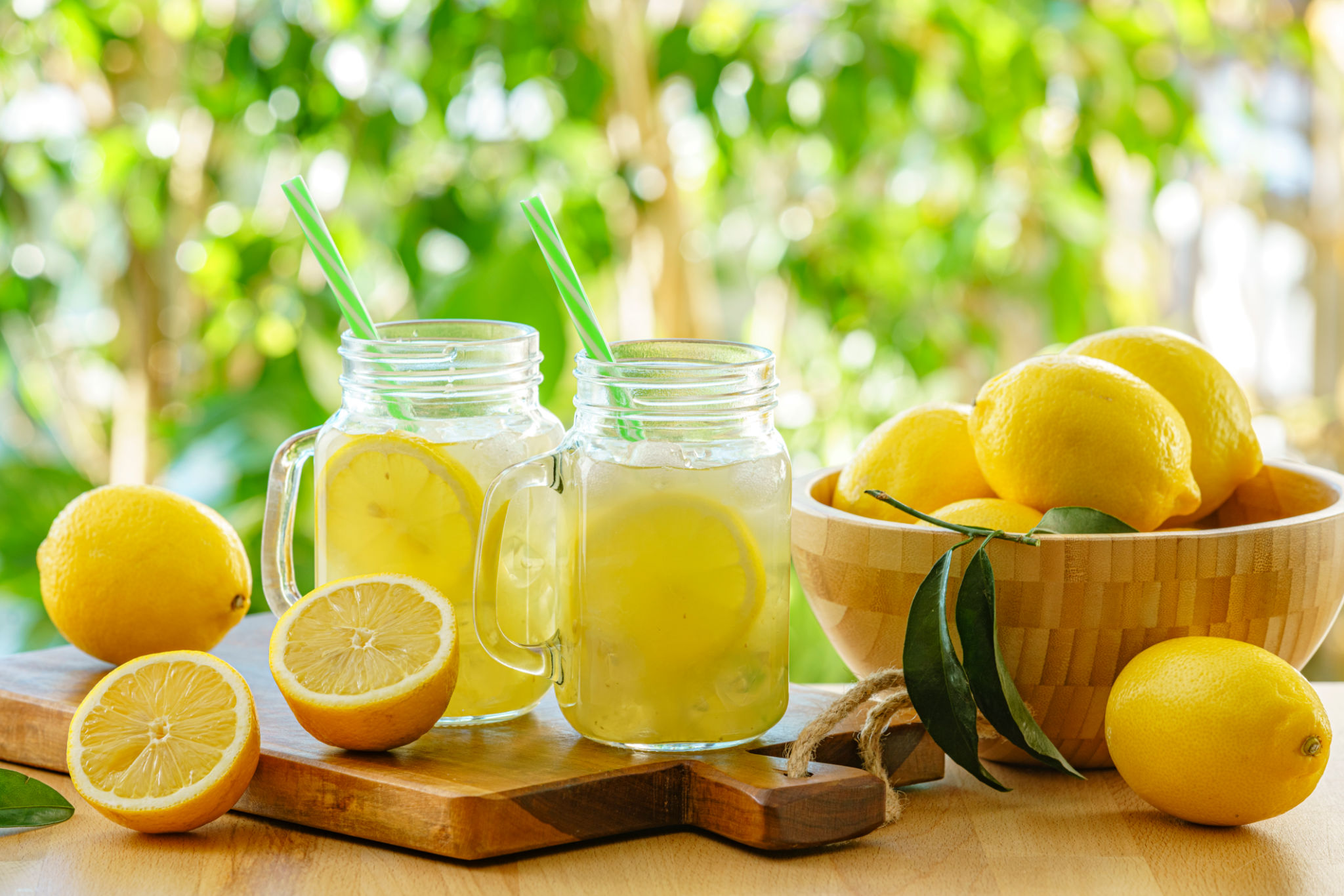
The Refreshing Allure of Lemonade: A Journey from Ancient Elixir to Modern Staple
Few beverages evoke the same sense of summer, nostalgia, and simple pleasure as a glass of lemonade. This deceptively simple concoction of lemon juice, water, and a touch of sweetness has quenched thirsts and uplifted spirits for centuries. Whether enjoyed as a still, ice-cold American classic or a fizzy, lemon-flavored soda popular in Europe, lemonade transcends mere refreshment to hold a significant place in cultures worldwide. Its universal appeal lies in its vibrant, zesty flavor profile and its remarkable versatility, offering endless possibilities for customization.
The Timeless Appeal of Lemonade: A Global Refresher
At its core, lemonade is an elegant blend of tartness and sweetness, typically featuring freshly squeezed lemon juice, pure water, and a chosen sweetener like sugar or honey. Served chilled, often garnished with a vibrant lemon slice, it's the quintessential thirst-quencher. However, the term "lemonade" carries different connotations depending on where you are. In the United States, it generally refers to a still, non-carbonated drink, a classic served at backyard barbecues and summer picnics. Cross the Atlantic, to the United Kingdom and parts of Europe, and "lemonade" commonly denotes a carbonated, lemon-flavored soft drink, a bubbly companion to a meal or a sunny afternoon.
The history of this beloved beverage is far richer and more extensive than many realize, tracing its origins back to the 10th century in Egypt. Here, an early precursor known as kashkab, made from fermented barley, mint, and citron, slowly evolved into qatarmizat – a sweetened mixture of lemon juice and sugar that found its way from Asia around the 11th century. These early citrus-based drinks were valued not just for their refreshing qualities but also for their perceived medicinal benefits, aiding digestion and cooling the body. The journey of this ancient elixir across continents and centuries is fascinating, a testament to its enduring appeal. For a deeper dive into its rich past, explore The Sweet History of Lemonade: From Ancient Egypt to Global Favorite.
By the 17th century, lemonade had arrived in Europe, making its grand commercial debut in Paris on August 20, 1630. Vendors, equipped with portable tanks strapped to their backs, delighted Parisians by selling a sparkling mixture of lemon juice, water, and honey. In England, its popularity soared by the 18th century, even gaining a medicinal reputation when the British Navy mandated lemon juice rations from 1795 to combat scurvy among sailors. When it reached the American colonies, it quickly became a staple refreshment, further cemented by 19th-century pharmacists who prepared powdered mixes using lemon oil and sugar for summer ailments, solidifying its place in popular culture.
Crafting the Classic Homemade Lemonade: A Recipe for Perfection
While myriad bottled options exist, nothing quite compares to the vibrant, fresh taste of homemade lemonade. The beauty lies in its simplicity and the ability to tailor it precisely to your preference. Here's a classic recipe designed to yield the perfect balance of sweet and tart:
Classic Homemade Lemonade Recipe
- Yields: Approximately 6 servings
- Prep time: 15 minutes
- Chill time: 30 minutes (minimum)
Ingredients:
- 1 ½ cups freshly squeezed lemon juice (from 6-8 medium lemons)
- 1 cup granulated sugar (adjust to taste)
- 4 cups cold water
- Lemon slices, mint sprigs, or berries for garnish (optional)
- Ice
Instructions:
- Make the Simple Syrup (Key to Perfect Sweetness): In a small saucepan, combine the granulated sugar with 1 cup of the cold water. Heat over medium heat, stirring constantly until the sugar is completely dissolved. Do not boil. This creates a simple syrup, which ensures the sugar integrates smoothly into the cold lemonade without leaving grainy residue. Remove from heat and let it cool completely. You can even prepare this ahead of time and store it in the fridge.
- Juice Your Lemons: Squeeze fresh lemons to get 1 ½ cups of juice. For best results, use a citrus juicer. Filter out any seeds or large pulp pieces.
- Combine Ingredients: In a large pitcher, combine the cooled simple syrup and the freshly squeezed lemon juice. Stir well.
- Add Water and Chill: Pour in the remaining 3 cups of cold water. Stir thoroughly and taste. Adjust sweetness by adding more simple syrup (if you made extra) or more lemon juice for a tangier profile.
- Serve: Fill glasses with ice, pour in the freshly made lemonade, and garnish with lemon slices, fresh mint, or a handful of berries for an extra pop of color and flavor. Enjoy immediately!
Tips for Success:
- Fresh is Best: Always use fresh lemons. Bottled lemon juice simply won't deliver the same vibrant, authentic flavor.
- The Simple Syrup Method: Don't skip making a simple syrup. It's the secret to a smooth, evenly sweetened lemonade.
- Adjust to Taste: Lemonade is highly personal. Some prefer it sweeter, others tarter. Start with the recommended sugar, then add more incrementally until it's perfect for you.
- Chill Thoroughly: Lemonade tastes best when ice cold. Allow it to chill in the refrigerator for at least 30 minutes before serving.
- Zest for Flavor: For an extra aromatic boost, you can rub some lemon zest into the sugar before making the simple syrup. The oils from the zest will infuse the syrup with a deeper lemon flavor.
Beyond the Basics: Exploring Lemonade's Exciting Variations
While the classic recipe is undeniably satisfying, the true genius of lemonade lies in its adaptability. It serves as a fantastic base for a myriad of flavors, allowing for endless creativity. From subtle infusions to bold international twists, the world of lemonade is incredibly diverse.
- Pink Lemonade: A beloved variation, pink lemonade typically achieves its characteristic hue and slightly sweeter, fruitier profile through the addition of cranberry juice, strawberry puree, raspberry syrup, or sometimes just a touch of food coloring.
- Infused Lemonades: Elevate your lemonade with fresh herbs or spices. Try a refreshing mint lemonade, where muddled mint leaves are added to the pitcher, or an intriguing basil-honey lemonade, blending the herbaceous notes of basil with the floral sweetness of honey. For an exotic twist, Hungarian homemade lemonades often feature bold flavors like ginger-turmeric or even fragrant rose-hibiscus.
- International Takes: Travel the world through lemonade! In France, citron pressé offers a sophisticated DIY experience: unsweetened lemon juice is served with separate carafes of water and sugar, allowing the diner to mix to their exact preference. Spanish limonada often incorporates lime alongside lemon for an extra tart, complex twist. These adaptations underscore lemonade's universal appeal and its ability to reflect local tastes and ingredients. To discover more about these fascinating global interpretations, dive into Beyond the Classic: Exploring Lemonade's Global Variations.
Experimentation is key! Consider adding pureed fruits like peaches, watermelon, or blueberries for natural sweetness and color. A splash of sparkling water can turn a still lemonade into a bubbly delight. The possibilities are truly limitless, making lemonade a canvas for culinary exploration.
The Cultural Threads of Lemonade: More Than Just a Drink
Beyond its delicious taste, lemonade has woven itself into the fabric of culture, particularly in the United States. Its cultural significance truly blossomed with the rise of lemonade stands during the 1800s. These humble, often child-run endeavors became powerful symbols of entrepreneurial spirit, community fundraising, and the innocence of childhood. From raising money for a new bicycle to contributing to local charities, lemonade stands teach valuable lessons in commerce and generosity, marking them as an iconic rite of passage for many American children.
Lemonade embodies the essence of summer, picnics, and simple pleasures. It’s the go-to refreshment on a scorching day, a staple at outdoor gatherings, and often associated with nostalgic memories of carefree days. In recent years, global brands have responded to evolving consumer preferences by emphasizing natural ingredients, lower sugar options, and innovative flavor combinations, reflecting a broader trend towards healthier, more transparent food and beverage choices.
From its ancient origins as a medicinal elixir to its role as a beloved commercial product, lemonade continues to adapt and thrive. It reminds us that sometimes the greatest joys come from the simplest things – a fresh lemon, a little water, a touch of sweetness, and the warmth of a summer's day.
Conclusion
From its humble beginnings in 10th-century Egypt to its ubiquitous presence in modern culture, lemonade remains an enduring symbol of refreshment and simple pleasure. Whether you prefer the classic still version or a bubbly, infused creation, the act of crafting and enjoying this zesty beverage connects us to a rich history and a shared global experience. Its versatility, combined with its cultural resonance, ensures that lemonade will continue to quench thirsts, inspire entrepreneurial spirits, and create cherished memories for generations to come. So, when life gives you lemons, remember the timeless magic they hold, and craft your perfect glass of lemonade.
